
English| EUR
Suggested for you
More currencies
Choose a language
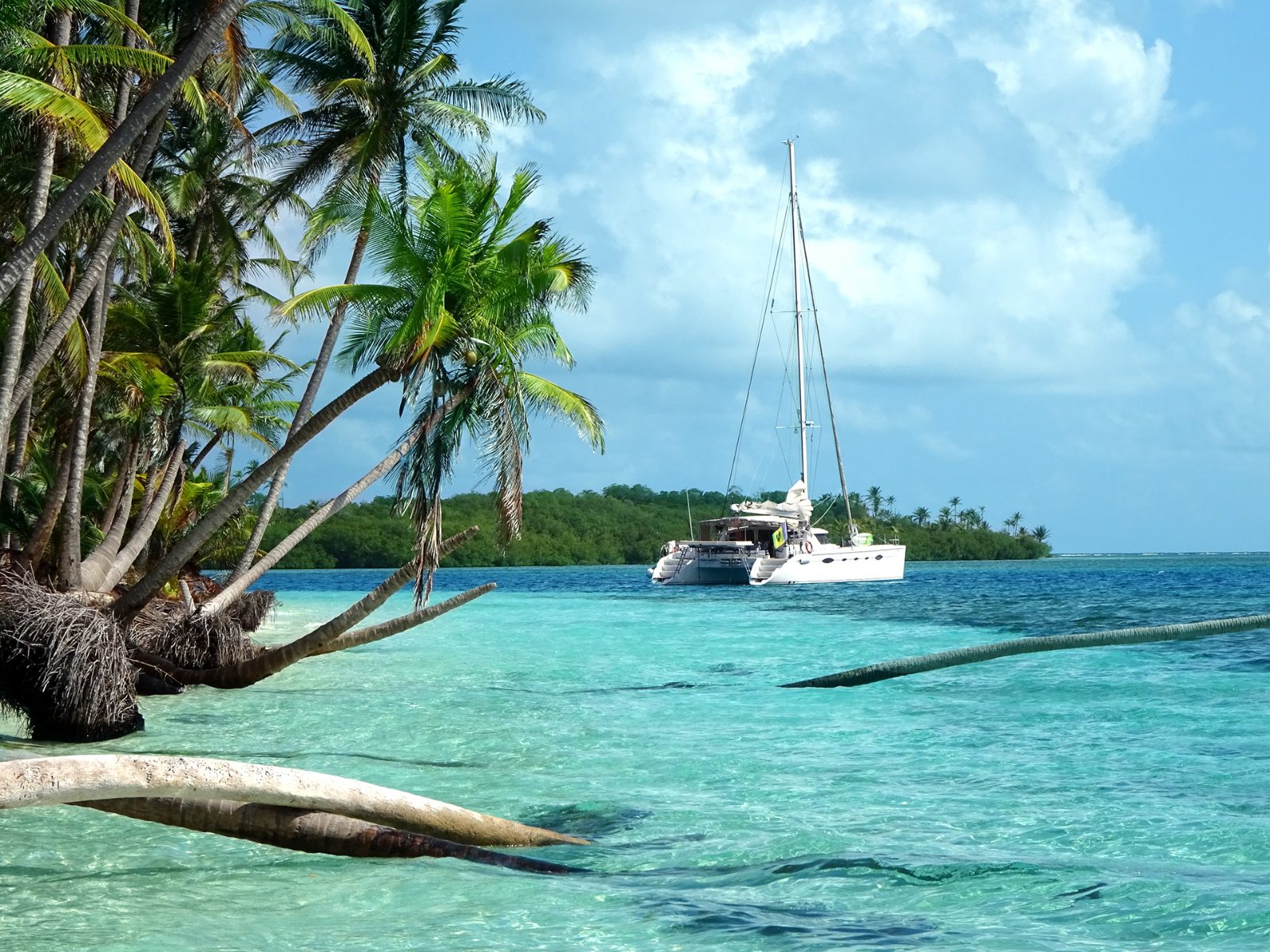
The San Blas archipelago sits inside the Guna Yala Comarca, an autonomous Indigenous territory on Panama's Caribbean coast where the community, not the state, sets the rules. Travellers arrive expecting crime to be the question and find the real variables are open water, weather and the absence of a hospital. This page sets out what is genuinely risky, what is overstated, and how to plan around both.
Quick answer
Yes — for most visitors the San Blas Islands are safe, with violent crime rare across the Guna Yala Comarca and the archipelago open around the clock, 00:00–23:59 daily. The real hazards are marine, not criminal: open-water lancha crossings, strong currents between cays, and limited medical care. Arriving between 08:00 and 10:00 keeps crossings within calmer daylight hours.
There is no police force in the conventional sense across most of the archipelago. Guna Yala is governed by its own congress, and the sailas — traditional village leaders — hold authority on inhabited cays such as Carti Sugtupu and Nalunega. That structure is one reason travellers asking are san blas islands safe find so few reports of theft or assault: on an island of two hundred people, everyone is accountable to everyone, and outsiders are watched benignly rather than preyed upon. The genuine risk sits offshore. Transfers between the roughly 365 cays happen in open fibreglass lanchas, small outboard boats with no cabin and, on some operators, an unenthusiastic approach to life jackets. The Caribbean swell here builds through the afternoon, and the stretch of water between the mainland river mouths and the outer cays can turn from glassy to punishing within an hour. Travellers prone to seasickness, and anyone carrying a camera or phone without a dry bag, should treat every crossing as a wet one. Currents between neighbouring islands look deceptively short; several are not swimmable regardless of ability. Infrastructure is the second honest caveat. The Comarca has no hospital, no pharmacy chain, and patchy mobile signal outside a handful of high points. Serious injury means evacuation to Panama City, which takes hours. There are no ATMs anywhere in the territory, so any traveller arriving without physical cash is stranded from the first checkpoint onward. Electricity on most cays runs on solar panels and generators that go quiet after dark, and water is rationed rather than piped. None of this argues against going. It argues for going prepared: reef shoes, high-SPF sunscreen, a stocked personal first-aid kit, motion-sickness tablets, and enough cash for the whole stay. A Guna Yala safety guide is really a self-sufficiency guide, because the archipelago's isolation is precisely what has kept it intact. Visitors weighing whether the San Blas Islands are safe for a family trip should judge it by swimming confidence and medical needs rather than by crime statistics. Asked plainly — are san blas islands safe — the answer is yes, with the qualification that the sea, the sun and the distance from help deserve more respect than the people ever will.
“A Guna Yala safety guide is really a self-sufficiency guide, because the archipelago's isolation is precisely what has kept it intact.”
Most safety problems in Guna Yala come from planning gaps rather than crime. These are the errors that most often turn a straightforward island trip into a difficult one.
Booking through unverified WhatsApp contacts or roadside touts
Use an operator with a registered business name, a written confirmation and a named boat captain. Unregistered boats often carry no life jackets, no radio and no insurance.
Assuming every island has medical help or a pharmacy
Carry your own first-aid kit, prescription medication and any seasickness tablets. Most islands have no clinic, and evacuation to the mainland takes hours by boat.
Relying on cards, ATMs or phone signal on the islands
Bring enough cash in small US dollar notes for your whole stay. There are no ATMs in the comarca and mobile coverage is patchy to non-existent.
Photographing Guna residents or ceremonies without asking first
Always ask permission before taking anyone's photo, and accept a refusal. Ignoring this causes real friction with communities that control access to the islands.
Swimming or snorkelling alone away from the boat
Stay within sight of your group and ask the captain which channels have currents. Reef gaps between islands move faster than they look.
Ignoring the captain's weather call and pushing to sail
Accept postponements without argument. Crossings in high wind on open lanchas are where most serious incidents occur.
The San Blas Islands are located in the Guna Yala Comarca on the Caribbean Coast of Panama. Access is strictly controlled, requiring visitors to use authorized 4x4 transport services from Panama City to the port, followed by a local boat transfer.
4x4 transfer from Panama City to Carti port
Local Guna boat service from Carti port
To ensure safe harbor entry and seamless transitions, coordinate your transfer to fall within the best arrival window of 08:00–10:00. Arriving during this period allows sufficient time to clear port checks and complete inter-island boat transfers in daylight.
The San Blas Islands are the autonomous territory of the Guna people, not a public resort chain, and visitors are guests under Guna Yala's own rules. Respecting community norms around photography, dress, and property is what keeps interactions calm and welcoming.
The safest window for visiting the San Blas Islands is during the dry season from mid-December to April, when stable winds and calmer seas minimize risks during inter-island boat transfers. Daily timing is equally vital, as planning arrivals during the best arrival window of 08:00–10:00 ensures port checks are cleared while sea conditions remain favorable.
Dry, 25°C–30°C, calmer seas
Stable weather conditions provide the safest maritime environment for island hopping.
Rainy, 24°C–29°C, stronger winds
Increased precipitation and potential for choppy waters require caution during transit.
—
Departing early maximizes daylight for transfers and avoids the congestion of weekend crowds.
Verdict: For the safest conditions, plan your travel for weekday mornings during the dry season between January and April.
Everything you need to know about are san blas islands safe
The archipelago is generally considered a secure destination for solo travelers who respect local customs and remain aware of their surroundings. Choosing reputable operators for your transit remains the best way to ensure are san blas islands safe protocols are followed.
The Guna Yala region operates under indigenous autonomy, meaning visitors must adhere to specific community rules and regulations. As long as you follow the guidance of local hosts, you will find that are san blas islands safe conditions prevail throughout the territory.
Many families visit the islands, though it is important to supervise children constantly due to the remote nature of the coral cays. Staying at established lodges helps maintain a level of oversight that confirms are san blas islands safe standards for family travelers.
To guarantee a secure experience, book transport and accommodation through verified providers and keep your belongings secured while on the islands. Preparing for the region's lack of advanced medical facilities is a practical part of ensuring are san blas islands safe travel habits.
The San Blas experience is rustic, meaning you should not expect standard hotel infrastructure or high-speed connectivity. The lack of commercial development is part of the charm, yet requires visitors to practice common sense to maintain safety.
Boat transfers are the primary mode of transit between the mainland and the islands, often navigating open Caribbean waters. Always ensure your captain is licensed and that the vessel carries proper life-saving equipment for a secure transit.
The islands remain peaceful after dark, but lighting on the beaches and in the water can be limited. It is recommended to stay within your accommodation area once the sun goes down to avoid navigating unfamiliar terrain in the dark.
Private San Blas Island Tours
Read more Tickets & toursSan Blas Island Tour Prices & Packages
Read more Tickets & toursSan Blas Island Tours from Panama City
Read more GuideHow to Visit the San Blas Islands
Read more Tickets & toursSan Blas Island Hopping Lemon Keys
Read more Tickets & toursSan Blas Island Hopping 3 Days
Read more Tickets & toursSan Blas Island Hopping Day Tour
Read more