48 hr
San Blas Islands & Lemon Cays Overnight Boat Tour
Two days on a private San Blas island: turquoise water, ocean swings, and Kuna island life.
Reserve
Sandbars scatter east of the mainland, palms hold the horizon.
Hand-picked by our editors — only the best 5 experiences from 60 reviewed.
Verified partners for every tour, free cancellation where available, and instant confirmation on every booking.
48 hr
Two days on a private San Blas island: turquoise water, ocean swings, and Kuna island life.
Reserve
48 hr
Two days on a private San Blas island with a boat cruise, turquoise waters, and Kuna culture.
Reserve
14 hr
Full-day escape to four Caribbean islands with snorkeling, a beach lunch, and roundtrip transport.
ReservePrices from verified partners. Availability updates in real time at checkout. Free cancellation policies apply where shown.
The landmarks, rooms, and views travelers on this tour remember — all visible on a single visit.
Surrounded by crystal clear water, this reef features colorful coral heads and tropical fish species. It is a prime location for photography in the archipelago.
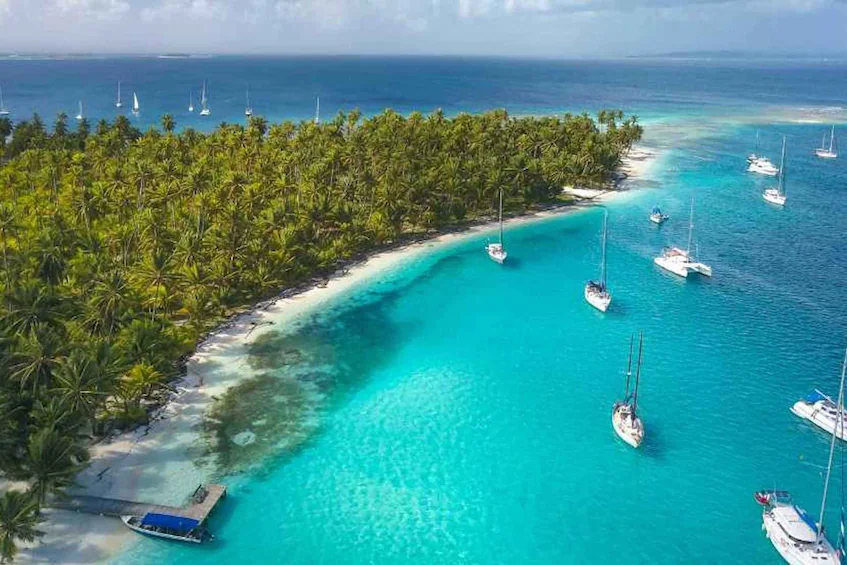
These low-lying islets offer pristine white sand beaches surrounded by turquoise water. They are the defining feature of the san blas island hopping lemon keys experience.
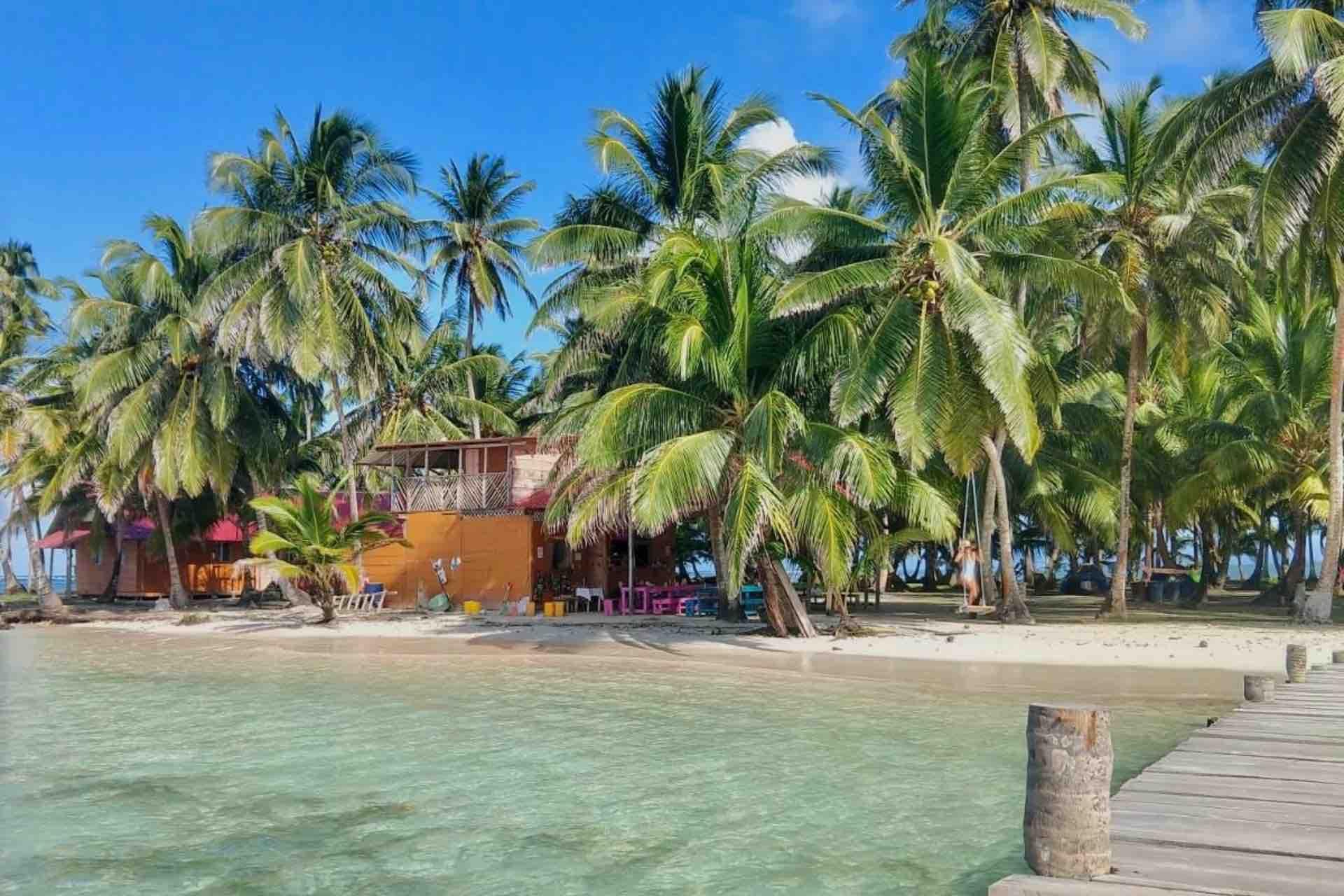
Tall coconut palms line the interior of the islands, providing essential natural shade. These trees are a staple of the landscape in the Guna Yala territory.
Visitors can purchase traditional molas and handmade crafts directly from Guna artisans on the islands. These textiles are famous for their intricate geometric designs.
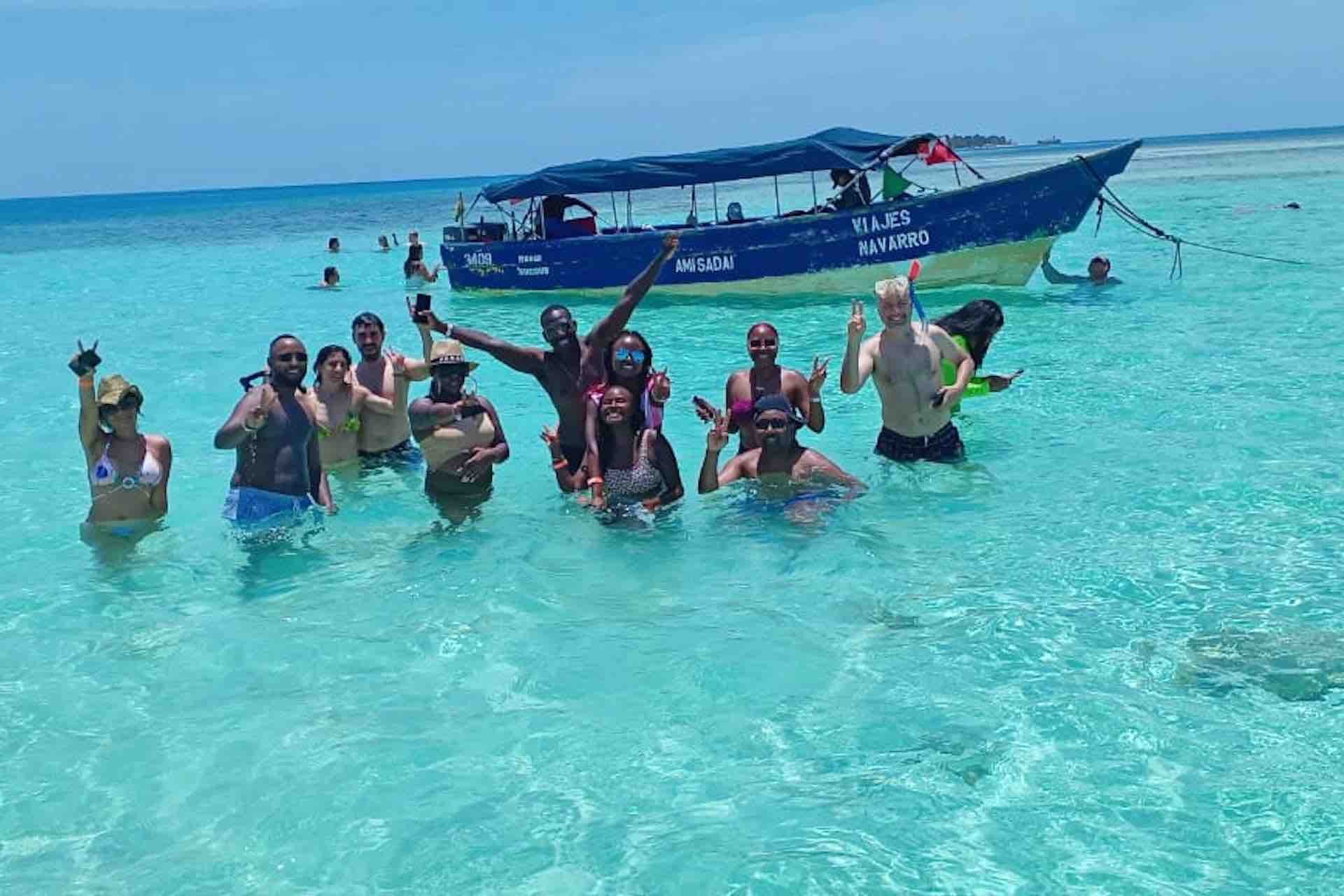
The protected areas between the keys provide calm, shallow water ideal for swimming. These lagoons are perfect for visitors seeking a relaxing dip.
The Lemon Keys are ideal for those seeking social interaction and convenience, while Cayos Holandeses offer a more secluded environment for visitors who prioritize solitude. Exploring the san blas island hopping lemon keys tours reveals a dynamic tropical playground that complements the quieter, deep-water reef systems of the outer archipelago.
| Feature | Top pick Lemon Keys | Cayos Holandeses |
|---|---|---|
Accessibility |
Easy access via local boat operators | |
Crowd Levels |
High population of day-trippers | |
Snorkeling Quality |
Clear shallow coral patches | |
Travel Time from Port |
45–60 minutes | |
Vibe |
Lively social atmosphere | |
Geography |
Compact sandy cays | |
| See tickets → |
Verdict: Choose the san blas island hopping lemon keys tour if you want a vibrant group setting, whereas Cayos Holandeses is the superior choice for those desiring remote, untouched marine environments.
Choose your ticket, select your date, and reserve in under two minutes. Secure checkout handled by our verified partner.
Instant confirmation by email, with a mobile voucher you can save offline. No printing, no queuing at a collection desk.
Arrive at the entrance, show your voucher on your phone, and walk in. Most tickets include priority or skip-the-line access.
Best time to go, insider tips, nearby landmarks, and the cancellation fine print — flip through to skim what matters to you.
How crowds, weather, and events shift across the year.
Dry season offers the calmest seas for island travel. Temperatures average 28°C with minimal rainfall.
August brings occasional short tropical showers. Lush vegetation and warm water temperatures are ideal for water activities.
Transition period with higher chances of rain. Fewer tourists visit during these months.
Steady winds may affect sea conditions. Excellent for travelers preferring cooler evenings.
Small details that turn a good visit into a great one.
There are no ATMs in the Guna Yala territory. Carry enough cash for tips and small purchases during your san blas island hopping lemon keys tour.
The tropical sun is intense. Use high-SPF sunscreen and reapply frequently throughout your island day.
Do not remove shells or starfish from the sea. Help preserve the delicate ecosystems encountered on your san blas island hopping lemon keys excursion.
Stay hydrated with bottled water. Avoid drinking local tap water on the islands.
Wear your life jacket during all boat transfers. Sea conditions can change quickly in the open water.
Non-bookable sights within a short walk — free to visit, easy to pair.
Famous for its sunken ship near the shore and clear snorkeling conditions.
A traditional island showing local Guna housing and lifestyle.
Known for its white sand beaches and established visitor facilities.
Flexible, no hidden fees.
Cancellations must be requested at least 48 hours prior to the scheduled departure for a full refund. The Guna Yala territory entrance fee of 23 USD is non-refundable as it is collected by local indigenous authorities.
Hand-picked options within walking distance — pick a district for vibe, or a specific hotel for convenience.
Traditional bamboo huts built directly over the Caribbean water.
Basic tent setups on public islands for an immersive experience.
Simple accommodations near the port for early arrivals.
The Guna Yala archipelago counts roughly 365 islands, and fewer than fifty are inhabited. The Lemon Cays — Cayos Limones in Spanish — sit at the western edge of that chain, a cluster of low sand islets barely a metre above the Caribbean. Several are small enough to cross on foot in under a minute. Coconut palms, planted and counted by generations of Guna families, form the only vertical geography. The Guna people won this territory outright. After the 1925 Dule Revolution, Panama recognised Guna autonomy, and by 1938 the comarca was formalised. Guna Yala remains one of the oldest self-governing indigenous territories in the Americas. Land is not sold to outsiders. Congresses of saila — traditional chiefs — still legislate. Every visitor entering the comarca pays a Guna Yala territory entrance fee of 23 USD per foreign visitor (10+ years), a levy that funds community administration rather than any national tourism board. That single fact shapes the entire character of san blas island hopping lemon keys: the boats are Guna-owned, the islands are Guna-managed, and the rules are local. Geography matters here more than architecture. The archipelago shelters behind a barrier reef running parallel to the mainland coast, which is why the water inside the cays stays glass-flat while swell breaks a kilometre offshore. Coral heads, seagrass beds and shallow sandbars — including the much-photographed Pelican Island and the wreck-strewn shallows near Perro Chico — sit within easy motorboat range. Water depth between islets rarely exceeds four metres. Starfish, nurse sharks and schooling grunts populate the flats. Cultural depth runs deeper than the reef. Guna women produce molas, reverse-appliqué textile panels stitched in layered cotton, now held in major museum collections worldwide. Villages such as Cartí and Nalunega maintain cane-and-thatch construction, dugout ulu canoes, and a matrilineal household system in which a husband joins his wife's family. Access is by 4x4 over the San Blas mountain road to Cartí, then by panga. The archipelago has no resorts in the conventional sense — accommodation means hammocks, sand-floor cabins and anchored boats. That constraint is deliberate policy, not underdevelopment. It is the reason a Cayos Limones boat tour still feels like arrival rather than transit, and the reason san blas island hopping lemon keys tours remain among Panama's most tightly community-controlled travel experiences.
"Land is not sold to outsiders here — the boats are Guna-owned, and the rules are local."
Mobile coverage is very limited or unavailable on most islands, so do not rely on it for navigation.
Cancellations 48 hours in advance are eligible for a refund, excluding the non-refundable entrance fee.